
Water Quality#
water_quality loads chemistry observations for river or piezometer sites.
It documents additional observational context and can support transport or
diagnostic workflows when the selected parameters are meaningful for the study.
Accepted sources#
Source |
Use when |
Source page |
|---|---|---|
|
Local chemistry records are authoritative. |
|
|
Hub’Eau chemistry observations should be retrieved. |
|
Minimal example#
[data.water_quality]
date_start = "2010-01-01"
date_end = "2020-12-31"

[[data.water_quality.sources]]
source = "hubeau"
site_type = "river"
parameters = ["NO3"]
extent = "watershed"
Visual check#

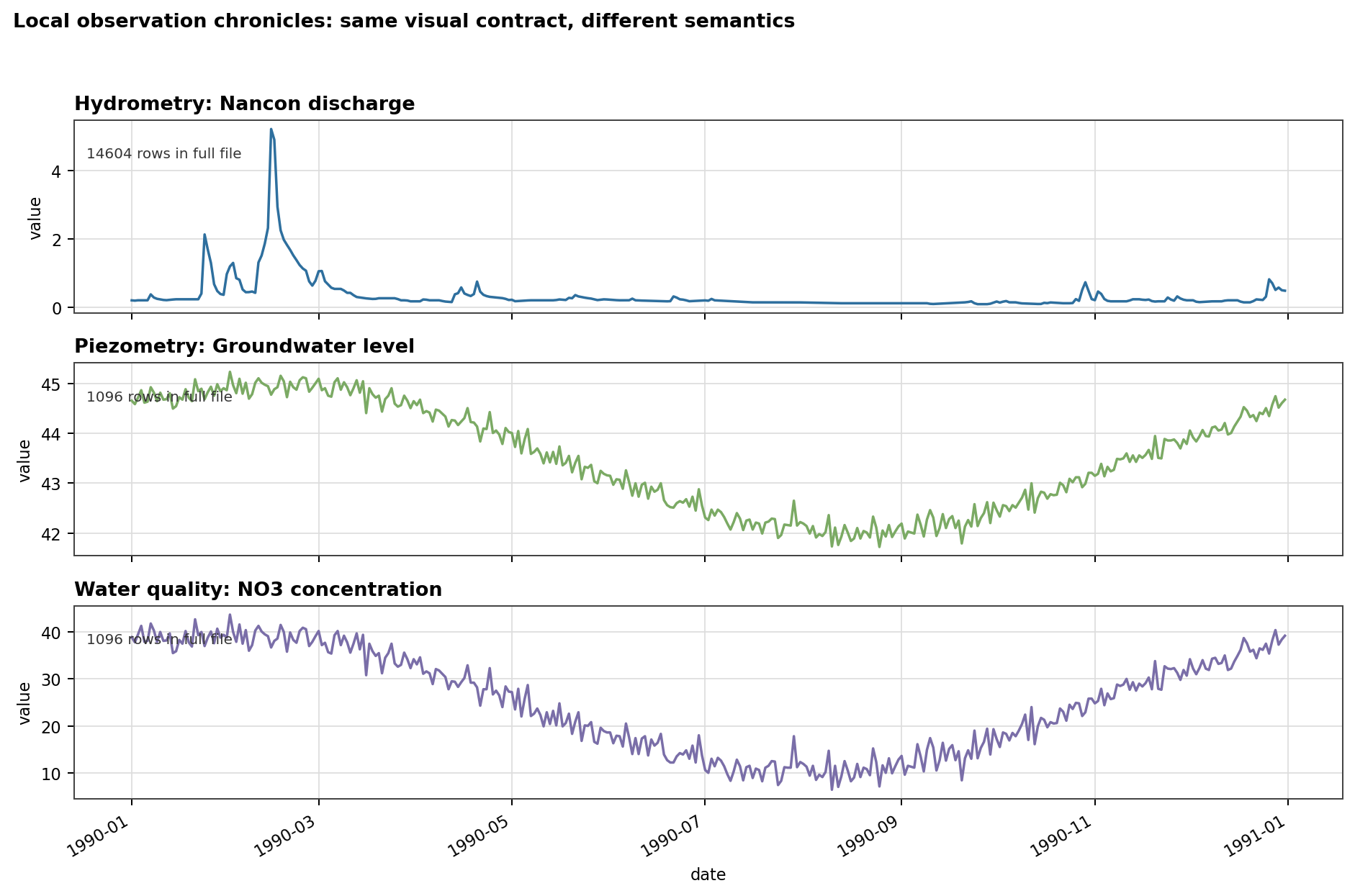
Fig. 78 The lower panel is a local chemistry chronicle. This kind of figure should name the parameter and make the concentration scale visible before the record is reused in transport or diagnostic workflows.#
Downstream uses#
observation context in basin reports;
transport or concentration workflows when relevant;
data availability screening.
Water Quality Source: custom#
Use source = "custom" when local chemistry station and chronicle files
should be authoritative.
Minimal example#
[[data.water_quality.sources]]
source = "custom"
path = "data/water_quality"
site_type = "river"
col_id = "station"
col_datetime = "date"
col_value = "value"
source_unit = "mg/L"
Operational checks#
Keep parameter names and units explicit.
Distinguish river and piezometer sites with
site_type.Inspect records for censoring, gaps, and inconsistent units before reuse.
Water Quality Source: hubeau#
Use source = "hubeau" to retrieve public chemistry observations.
Minimal example#
[[data.water_quality.sources]]
source = "hubeau"
site_type = "river"
parameters = ["NO3"]
extent = "watershed"
require_observations = true
Operational checks#
site_typeselects river or piezometer observations.parametersshould be narrow enough to keep the downloaded chronology interpretable.Always inspect units and station metadata before comparing values across providers or sites.
Provider replay#
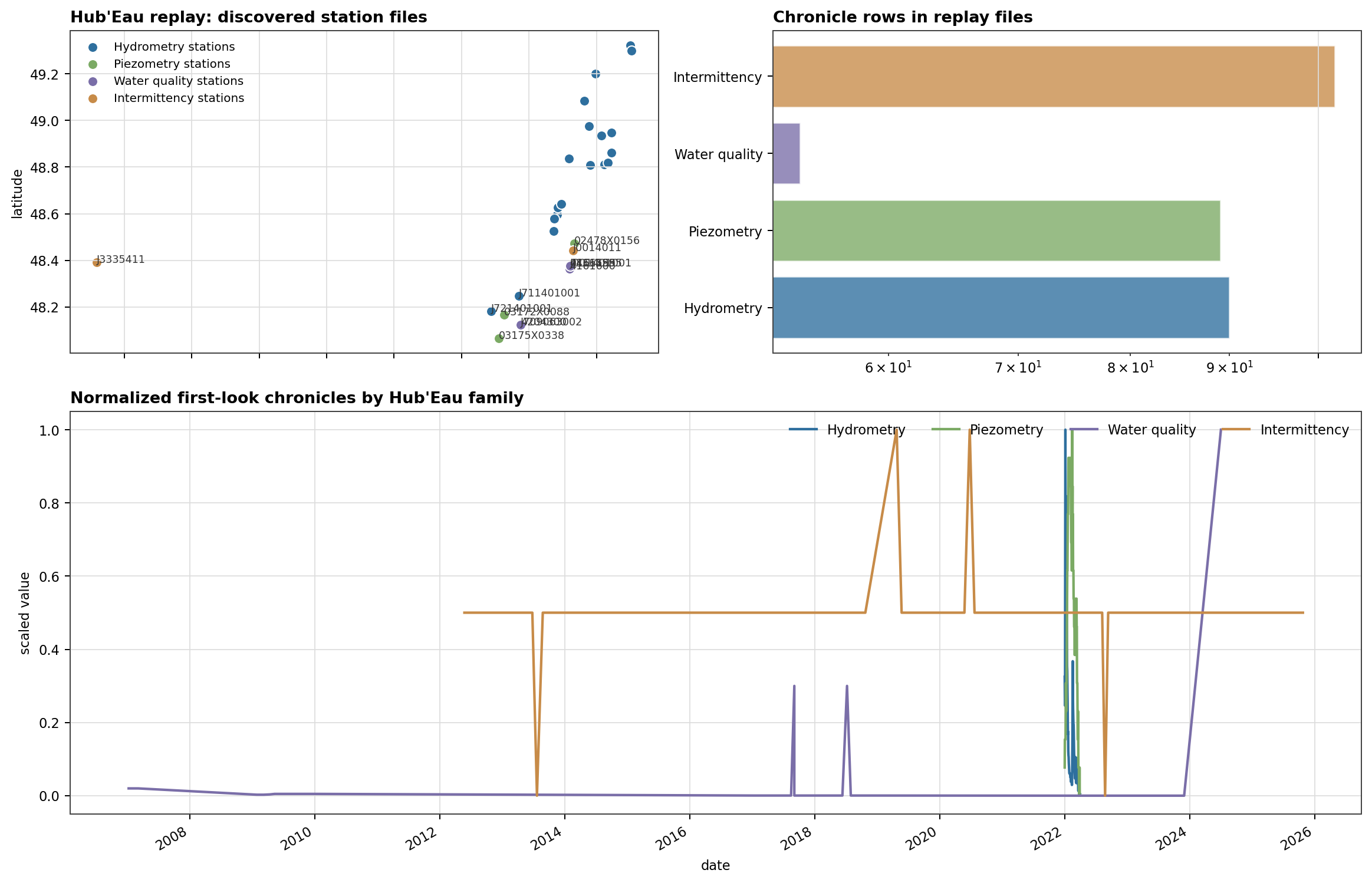
Fig. 79 The water-quality part of the Hub’Eau replay is intentionally plotted with the other observation families: chemistry shares the station/time-series contract, but parameter identity and units decide whether the values are usable.#
See also#
Chemistry chronicles are read with the same station/time-series contract as the other
observation families: Hydrometry, Piezometry, and Intermittency.
observation.points samples a simulated field, such as
concentration, at the same coordinates, and a point or cell output declared in
[calibration] CalibrationConfig can score against a chemistry series
through its variable field. Calibration Workflow documents the
campaign these observations feed when the selected parameters are meaningful for the
study.